Biomedical Test Equipment: A Complete and Easy Guide
Modern healthcare depends heavily on medical devices. From patient monitors and defibrillators to infusion pumps and ECG machines, hospitals rely on accurate and safe equipment every day. But how do we ensure these devices are working correctly and safely?
This is where biomedical test equipment plays an essential role. Biomedical test equipment is used to inspect, verify, calibrate, and maintain medical devices to ensure they operate accurately and safely. Without regular testing, even small errors in medical equipment can affect diagnosis, treatment, and patient safety. This article explains biomedical test equipment in simple, easy-to-understand language and includes key features of a well-known Fluke biomedical testing product.
What Is Biomedical Test Equipment?
Biomedical test equipment refers to specialized instruments used to test and validate medical devices. These tools help technicians confirm that hospital equipment performs within safe and accurate limits.
Biomedical test equipment is typically used by:
- Biomedical engineers
- Clinical engineers
- Hospital maintenance teams
- Medical device service technicians
- Calibration laboratories
Their goal is simple: ensure patient safety and device accuracy.
Why Is Biomedical Testing Important?
Medical devices directly impact patient care. For example:
- A defibrillator must deliver the correct energy level.
- An infusion pump must provide precise medication flow rates.
- A patient monitor must display accurate vital signs.
If any of these devices malfunction, it could lead to incorrect treatment or dangerous outcomes.
Regular testing ensures:
- Accurate measurements
- Proper device calibration
- Electrical safety compliance
- Reduced risk of equipment failure
- Compliance with healthcare regulations
In short, biomedical test equipment protects both patients and healthcare providers.
Types of Biomedical Test Equipment
There are several types of biomedical testing tools, each designed for specific devices.
1. Electrical Safety Analyzers
These check for leakage currents, grounding integrity, and insulation resistance in medical equipment.
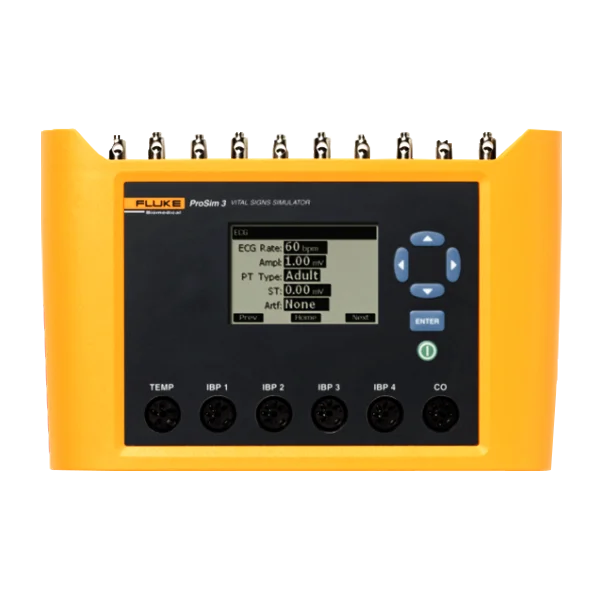
2. Patient Simulators
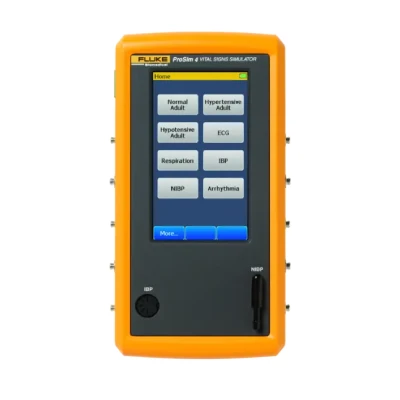
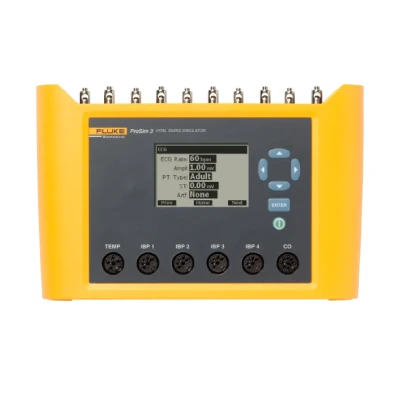
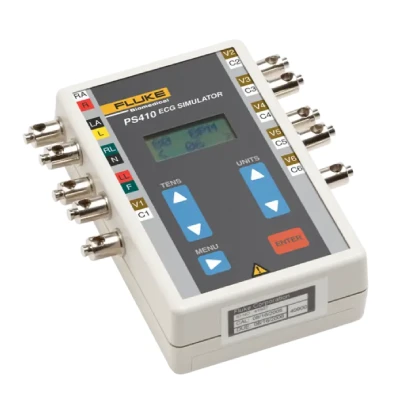
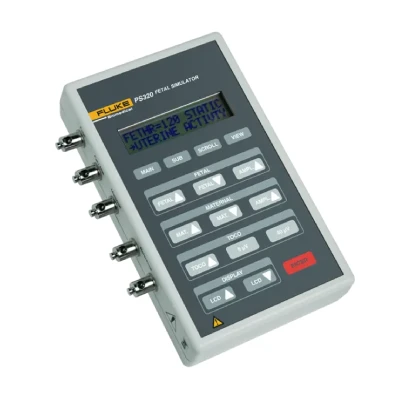
These simulate human physiological signals like ECG, blood pressure, temperature, or respiration.
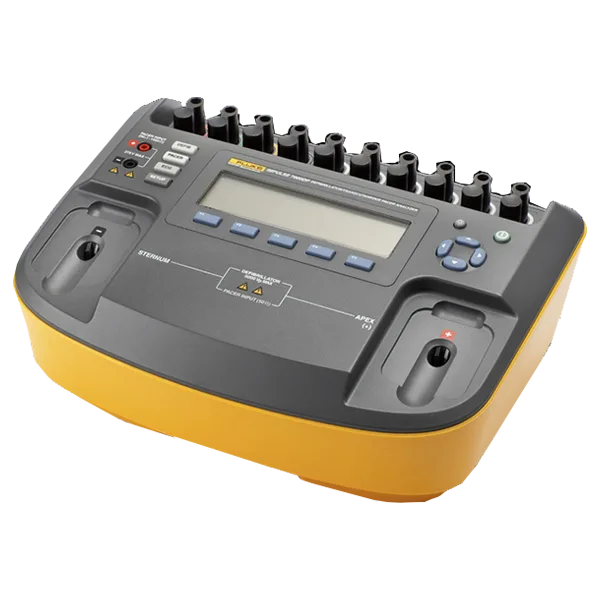
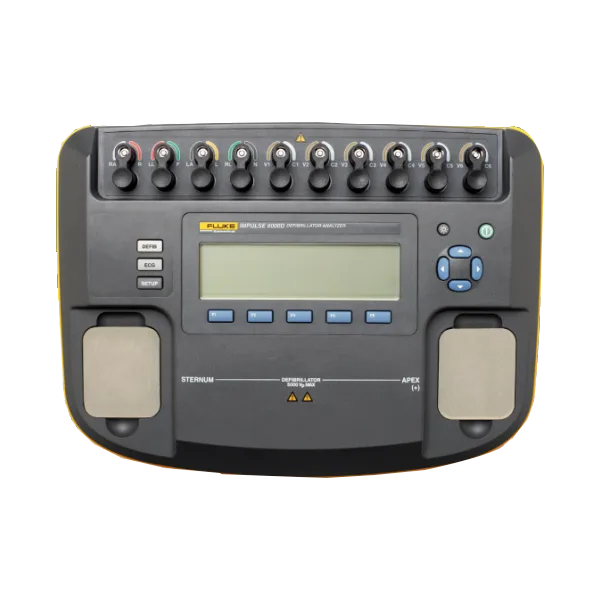
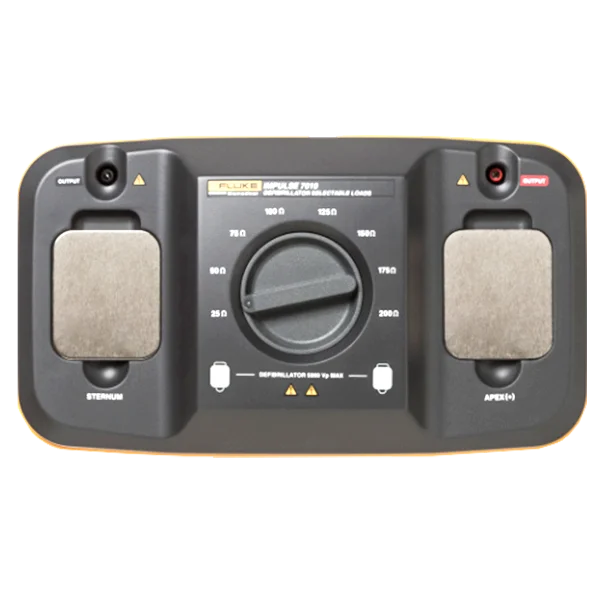
3. Defibrillator Analyzers
These measure the energy output and timing of defibrillators.
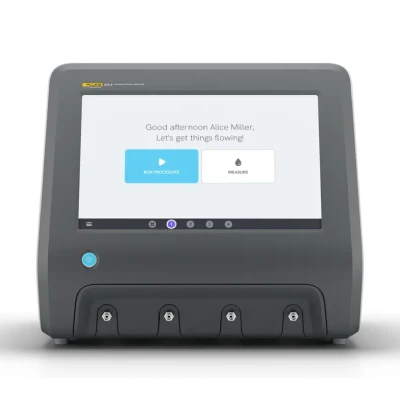
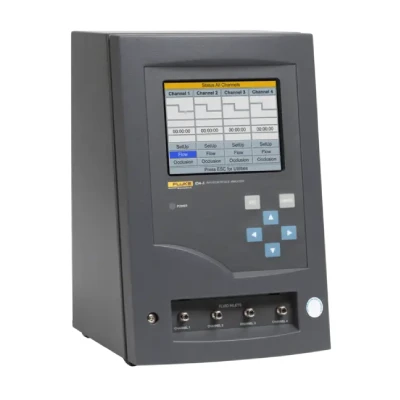
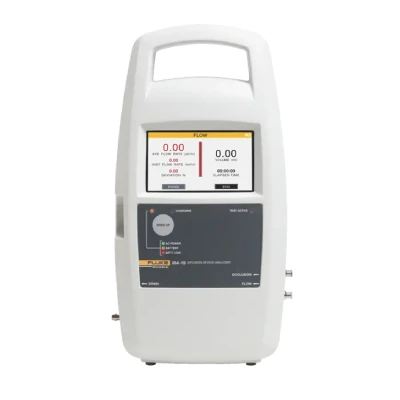
4. Infusion Pump Analyzers
These verify the accuracy of fluid delivery systems.
5. Multi-Parameter Testers
These combine several testing functions into one portable unit.
How Biomedical Test Equipment Works
Biomedical test equipment works by simulating real-world conditions.
For example:
- A patient simulator generates artificial heart signals so a patient monitor can be tested.
- An infusion pump analyzer measures the actual fluid delivered versus the programmed amount.
- An electrical safety analyzer checks for unsafe leakage current that could harm a patient.
The equipment measures performance and compares it to acceptable limits. If results are outside those limits, the device must be repaired or recalibrated.
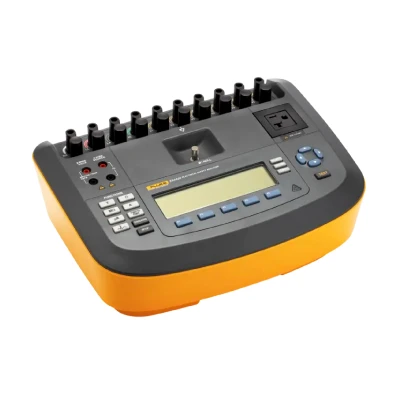
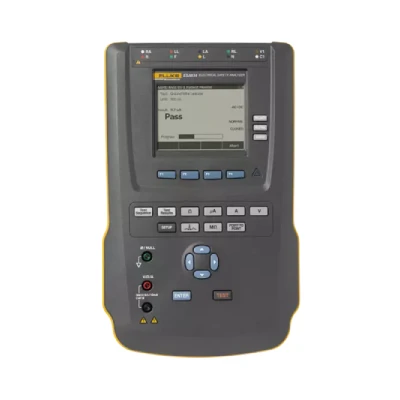
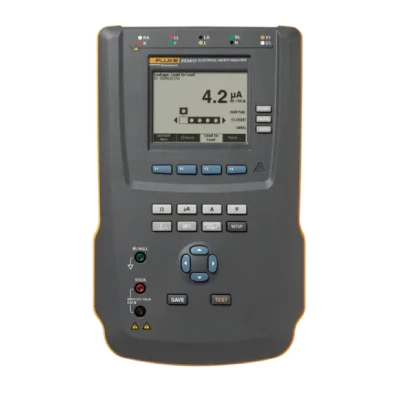
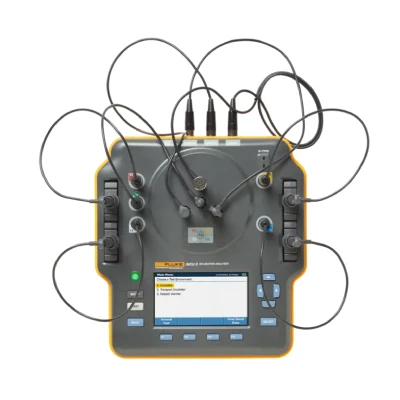
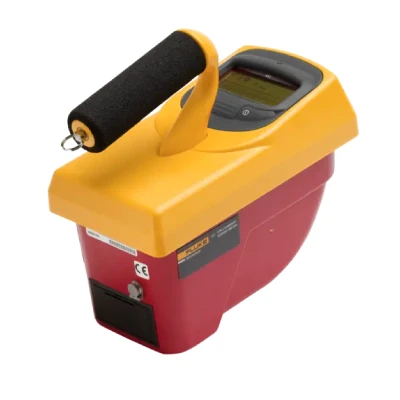
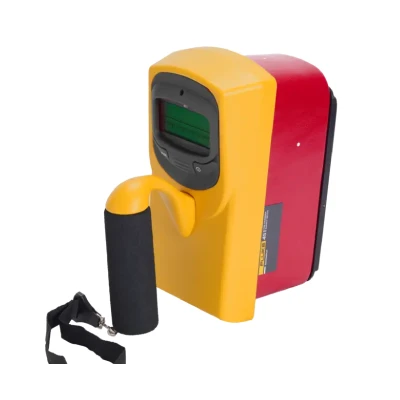
Example Product: Fluke ESA620 Electrical Safety Analyzer
One widely used biomedical testing device is the
Fluke ESA620 Electrical Safety Analyzer.
It is designed to test the electrical safety of medical equipment in hospitals and clinical environments. This portable unit simplifies safety compliance testing and ensures equipment meets required standards.
Main Features of the Fluke ESA620 Electrical Safety Analyzer
| Feature |
Description |
| Electrical Safety Testing |
Performs leakage current, ground resistance, and insulation tests |
| Automated Test Sequences |
Pre-programmed test procedures for quick and consistent testing |
| Portable Design |
Lightweight and compact for field service use |
| Color Display |
Clear the screen for easy viewing of test results |
| Data Storage |
Stores test results for documentation and reporting |
| USB Connectivity |
Transfers data to PC for record keeping |
| Global Standard Support |
Configurable to match various international safety requirements |
| User-Friendly Interface |
Simple controls for fast operation |
| Durable Construction |
Designed for hospital and service environments |
| Battery Operation |
Allows mobile testing without a constant power connection |
This device is widely used in hospitals, service centers, and biomedical departments.
Who Uses Biomedical Test Equipment?
Biomedical test equipment is used in:
- Hospitals
- Clinics
- Diagnostic laboratories
- Medical equipment service companies
- Biomedical engineering departments
- Calibration laboratories
Healthcare facilities must maintain strict safety standards, and testing equipment supports compliance.
Benefits of Biomedical Test Equipment
Improved Patient Safety
Ensures medical devices operate correctly and safely.
Regulatory Compliance
Supports adherence to safety regulations and standards.
Reduced Equipment Downtime
Early detection of issues prevents unexpected failures.
Accurate Medical Results
Ensures monitors and diagnostic tools provide correct readings.
Cost Savings
Preventive testing reduces costly emergency repairs.
Common Medical Devices That Require Testing
Biomedical test equipment is used to check:
- Patient monitors
- ECG machines
- Defibrillators
- Infusion pumps
- Ventilators
- Surgical equipment
- Dialysis machines
- Imaging support equipment
Nearly every powered medical device requires periodic safety testing.
Electrical Safety Testing Explained Simply
Electrical safety testing checks whether a medical device could expose patients or operators to dangerous electrical currents.
Tests typically measure:
- Leakage current
- Ground resistance
- Insulation resistance
- Line voltage integrity
If the leakage current is too high, a patient could receive a shock. Safety analyzers detect these issues before harm occurs.
Preventive Maintenance in Healthcare
Biomedical test equipment plays a major role in preventive maintenance programs.
Hospitals usually follow a schedule:
- Quarterly testing for critical devices
- Annual safety inspections
- After-repair verification testing
- Pre-use testing for new equipment
Proper documentation is essential, and many modern analyzers provide automated reporting.
Portable vs Advanced Biomedical Test Systems
| Portable Tester |
Advanced Test System |
| Lightweight and mobile |
Larger and more comprehensive |
| Ideal for field service |
Ideal for labs and large facilities |
| Quick testing |
Detailed diagnostics |
| Basic reporting |
Advanced data management |
Portable analyzers are common in hospital environments because technicians need to move between departments.
Future of Biomedical Test Equipment
Technology is improving biomedical testing with:
- Wireless data transfer
- Cloud-based record management
- Automated compliance tracking
- Integrated multi-function testing systems
- AI-assisted diagnostics
As medical devices become more advanced, testing tools must also evolve to ensure continued safety and accuracy.
Challenges in Biomedical Testing
Biomedical testing must overcome challenges such as:
- Complex device designs
- Rapid technological advancement
- Strict regulatory requirements
- Need for fast turnaround times
- Maintaining accurate calibration of test equipment
Continuous training and updated tools are necessary.
Biomedical test equipment is essential for ensuring that medical devices operate safely and accurately. From patient monitors to life-saving defibrillators, proper testing protects both patients and healthcare professionals.
Devices like the Fluke ESA620 Electrical Safety Analyzer help biomedical engineers perform electrical safety testing efficiently and reliably.
In modern healthcare, testing is not optional; it is a critical part of maintaining trust, safety, and quality patient care.



































 Calibration
 HVAC/Clean Rooms
 Electrical
 Temperature Meters
 Power & Energy
 Mechanical & Maintenance
 Pharma, Health & Biomedical
 Drone Solution
 Networking
 Transformer & Relay Testing
 Insulation, Resistance and Battery
 Fault Testing & Diagnostics
 Lightning Protection Solution
 Education, Research & Development
 Civil Equipment
 Renewable Energy
 Cleaning and supplies
 Power Tools
 Safety Tools
 Hardwares
 Construction Supply
 Precision Tools
 Garden Tools
 Accessories
 Machines
 Hand Tools