As-Built Drawings are detailed representations of a construction project as it was actually completed, reflecting all on-site changes, deviations, and modifications from the original design. These drawings serve as essential documentation that captures the final, real-world condition of a building or structure. They are created after the construction phase, incorporating redlines, field adjustments, and any changes made during the build process. As-Builts provide an accurate reference for future maintenance, renovations, inspections, and facility management, ensuring that stakeholders have a clear understanding of the completed project. Whether for architects, engineers, contractors, or owners, As-Built Drawings are a vital part of project closeout, compliance, and long-term asset management.
Why As-Built Drawings Are Important
1. Accurate Documentation
Construction projects often change due to site conditions, client requirements, or technical constraints. As-built drawings capture those changes precisely.
2. Maintenance & Facility Management
Facility managers rely on as-built drawings to locate utilities, wiring, piping, and structural elements during maintenance.
3. Future Renovation & Expansion
When upgrading or expanding a building, accurate existing-condition documentation prevents costly mistakes.
4. Regulatory Compliance
Many authorities require submission of as-built drawings before issuing completion certificates.
5. Risk Reduction
They help avoid accidental damage to concealed services like electrical cables or underground pipelines.
Types of As-Built Drawings
| Drawing Type |
Description |
Application |
| Architectural As-Built |
Reflects final building layout, walls, doors, windows |
Building maintenance |
| Structural As-Built |
Shows columns, beams, and foundations as constructed |
Structural assessment |
| Electrical As-Built |
Final routing of cables, panels, and lighting |
Electrical troubleshooting |
| Mechanical (HVAC) As-Built |
Ducting, chillers, air handling systems |
HVAC servicing |
| Plumbing As-Built |
Water supply & drainage lines |
Leak detection & repair |
| Fire Protection As-Built |
Sprinkler systems & fire alarms |
Safety compliance |
| Infrastructure As-Built |
Roads, drainage, utilities |
Municipal projects |
How As-Built Drawings Are Created
1. Field Markups
During construction, engineers or contractors mark changes directly on design drawings.
2. Site Verification
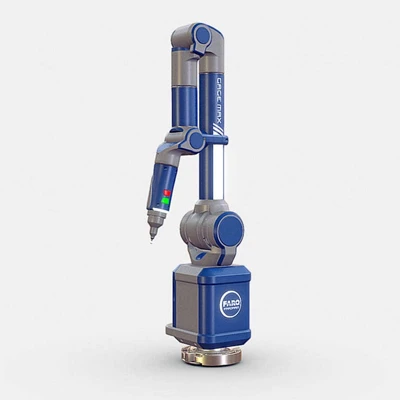
Measurements are taken to verify the actual installed dimensions.
3. Digital Updating
Drawings are revised using CAD or BIM software.
4. Review & Approval
Engineers verify the updates before final submission.
Common software tools include:
- AutoCAD
- Revit
- MicroStation
Difference Between Design Drawings and As-Built Drawings
| Design Drawings |
As-Built Drawings |
| Show planned layout |
Show the actual constructed layout |
| Created before construction |
Created after project completion |
| Based on assumptions |
Based on real field measurements |
| May not reflect site changes |
Reflect all approved changes |
Industries That Require As-Built Drawings
- Construction & Real Estate
- Power Plants & Substations
- Oil & Gas Facilities
- Telecommunication Infrastructure
- Water Treatment Plants
- Manufacturing Plants
- Government Infrastructure Projects
Modern Trends in As-Built Documentation
1. BIM Integration
Building Information Modeling (BIM) allows 3D as-built models for better visualization.
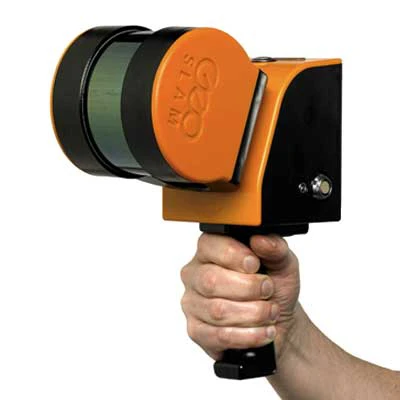
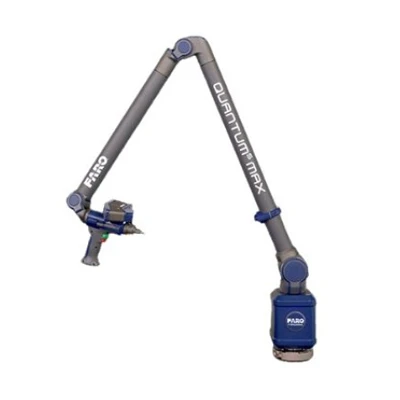
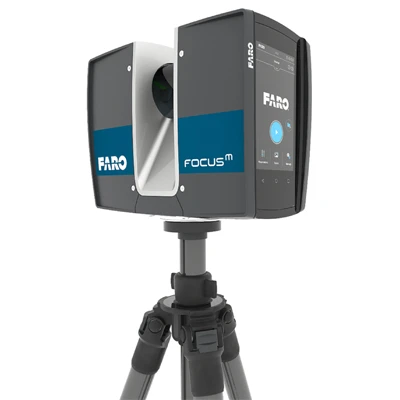
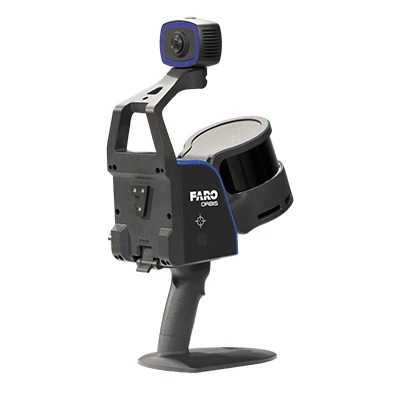
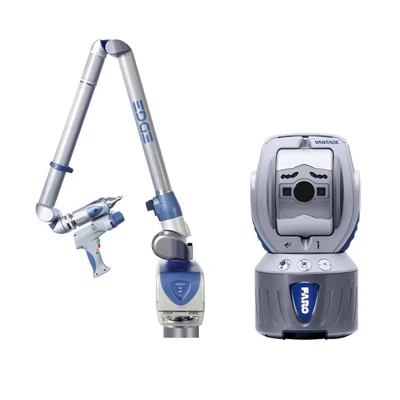
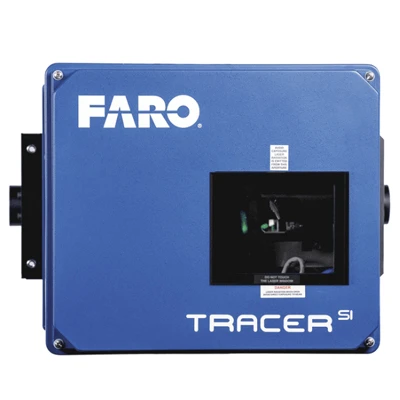
2. Laser Scanning & 3D Scanning
Advanced scanning tools capture accurate site dimensions.
3. Drone Surveying
Used for large infrastructure and industrial projects.
4. Digital Twin Technology
Creates real-time digital replicas of physical assets.
Challenges in Preparing As-Built Drawings
- Poor documentation during construction
- Lack of coordination between teams
- Time constraints at project handover
- Inaccurate field measurements
Proper documentation procedures and digital tools help overcome these issues.
Best Practices for Accurate As-Built Drawings
- Update drawings continuously during construction
- Assign responsibility to a dedicated documentation engineer
- Use standardized symbols and revision marks
- Maintain version control
- Conduct final site verification before submission
As-Built Drawings are a critical component of any construction or engineering project. They provide a true and accurate representation of completed work, ensuring smooth maintenance, regulatory compliance, and future expansion planning.
In modern construction environments, digital tools, BIM systems, and advanced scanning technologies are transforming how as-built documentation is prepared and maintained, making projects more efficient and transparent.



































 Calibration
 HVAC/Clean Rooms
 Electrical
 Temperature Meters
 Power & Energy
 Mechanical & Maintenance
 Pharma, Health & Biomedical
 Drone Solution
 Networking
 Transformer & Relay Testing
 Insulation, Resistance and Battery
 Fault Testing & Diagnostics
 Lightning Protection Solution
 Education, Research & Development
 Civil Equipment
 Renewable Energy
 Cleaning and supplies
 Power Tools
 Safety Tools
 Hardwares
 Construction Supply
 Precision Tools
 Garden Tools
 Accessories
 Machines
 Hand Tools