Indoor Air Quality in Bangladesh: Importance, Factors, Monitoring & Market Overview
Indoor Air Quality (IAQ) has become one of the most important environmental and health concerns in Bangladesh as rapid urbanization, industrial growth, and rising energy consumption continue to change the way people live and work. With most individuals spending nearly 80–90% of their time indoors homes, offices, schools, factories, and commercial spaces the quality of the air inside these environments directly affects health, comfort, and productivity.
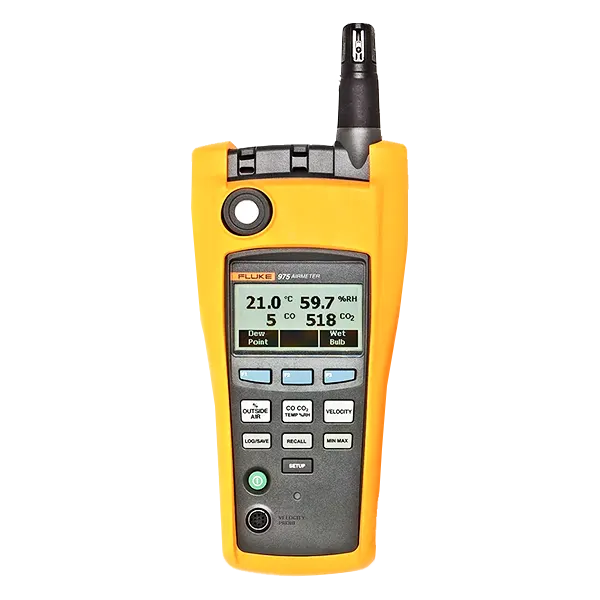
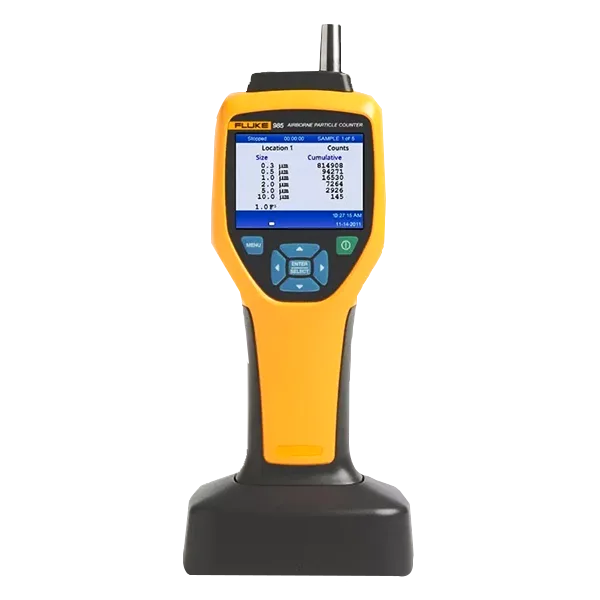
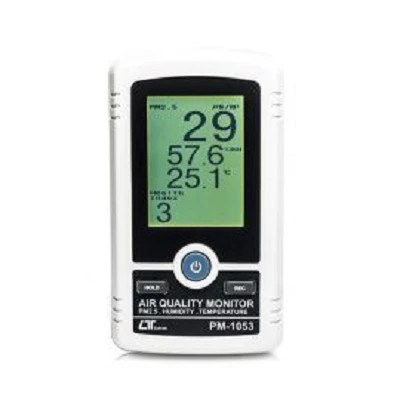
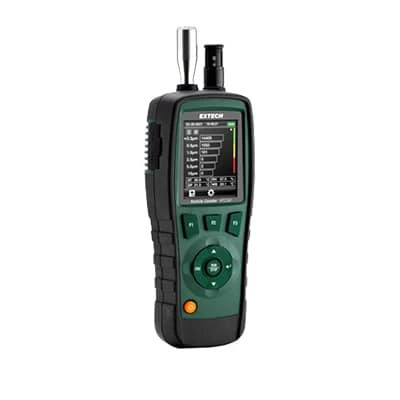
In Bangladesh, particularly in major cities like Dhaka, Chattogram, Gazipur, and Narayanganj, IAQ monitoring has gained attention due to increasing incidents of respiratory allergies, asthma, headaches, chronic fatigue, and indoor pollution caused by poor ventilation, chemical emissions, and high particulate concentration. As awareness grows, more organizations, real estate developers, and industries are turning toward IAQ monitors and audits to ensure healthier living and working environments. So now you can explore the Indoor Air Quality meter price in Bangladesh.
Why Indoor Air Quality Matters in Bangladesh
Poor IAQ is often a silent threat. Unlike outdoor pollution, which is visible or measurable through public air quality indices, indoor pollution accumulates quietly—often without immediate signs. This makes IAQ assessment even more critical.
Key reasons IAQ is important in Bangladesh:
Health & Safety
Indoor pollutants can lead to short-term effects like eye irritation, coughing, headaches, and long-term effects such as asthma, lung disease, or reduced cognitive performance. Children and elderly individuals are especially vulnerable.
Workplace Productivity
Research shows that clean indoor air increases employee performance, reduces sick days, and improves cognitive function—an essential factor for corporate offices and factories.
Compliance & Standards
Industries such as pharmaceuticals, textiles, food production, and electronics often require controlled air quality for quality assurance and regulatory compliance.
Sustainability Goals
Many modern building projects now follow green certification systems, which emphasize ventilation, humidity control, and indoor pollutant monitoring.
Common Indoor Pollutants in Bangladesh
Indoor environments in Bangladesh frequently contain the following contaminants:
- PM2.5 & PM10 (fine dust from surrounding pollution, construction, indoor activities)
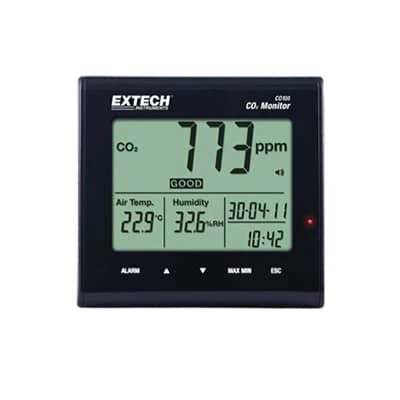
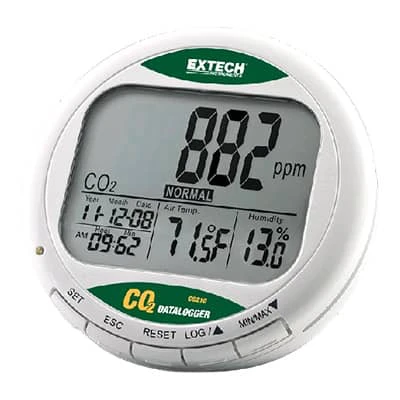
- Carbon Dioxide (CO₂) (indicates ventilation efficiency)
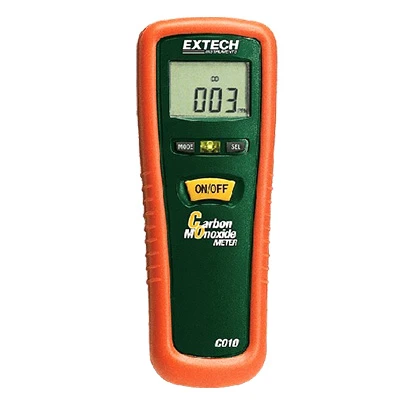
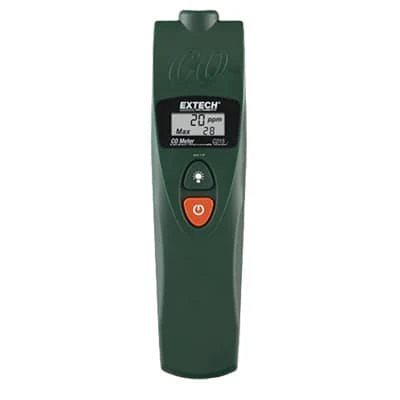
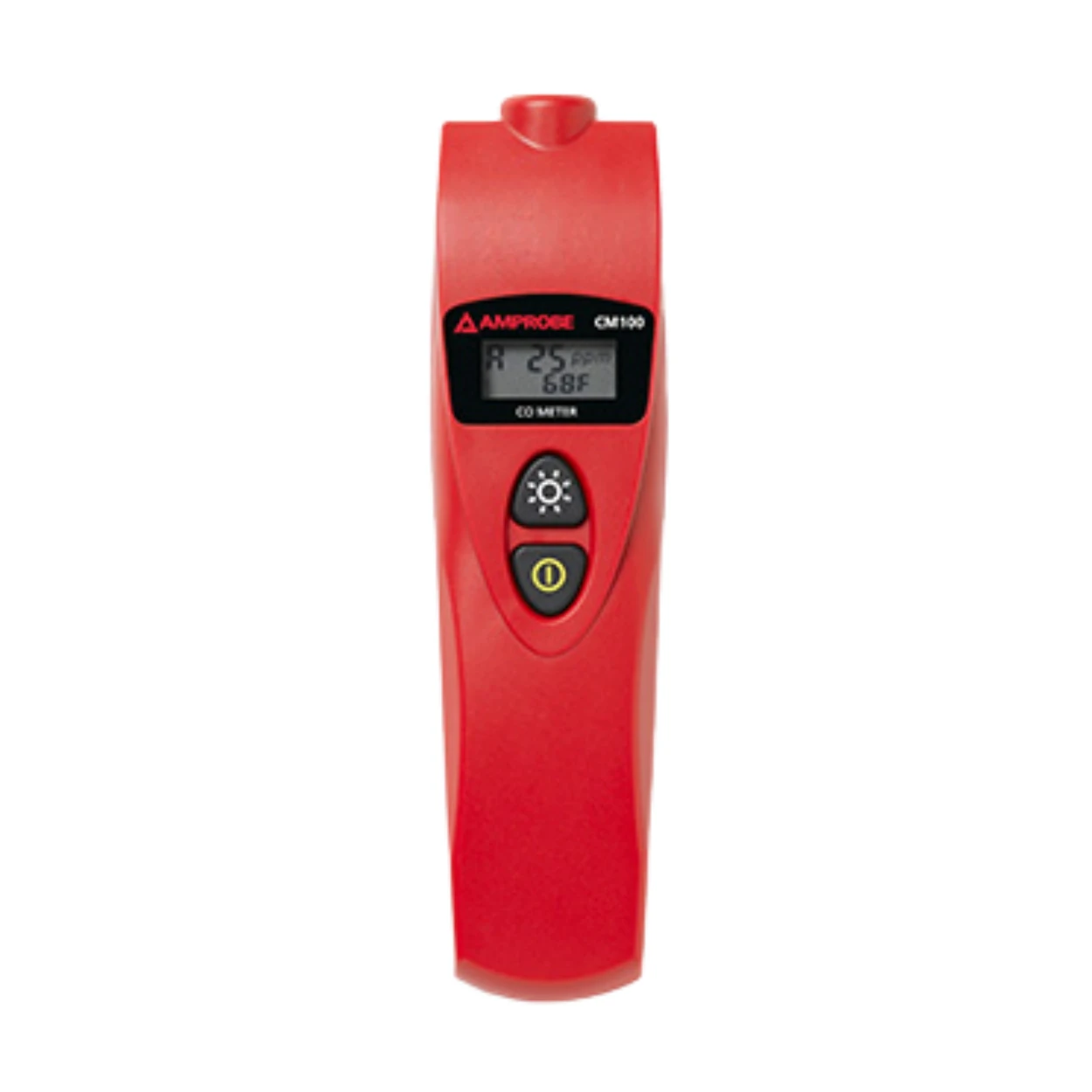
- Carbon Monoxide (CO) (generated from stoves, generators, old AC units)
- Volatile Organic Compounds (VOCs) (emitted from furniture, paint, cleaning chemicals, adhesives)
- Formaldehyde (common in new furniture and wooden boards)
- Humidity Imbalance (can lead to mold growth)
- Temperature Fluctuations (affects comfort and HVAC performance)
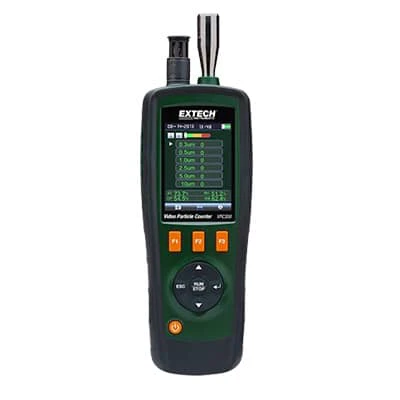
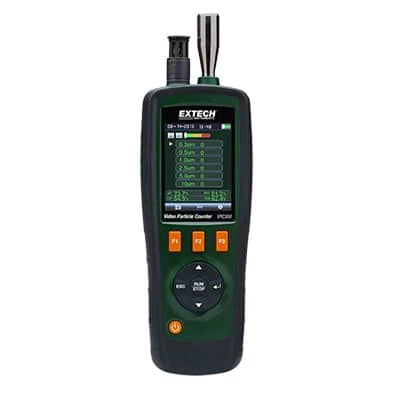
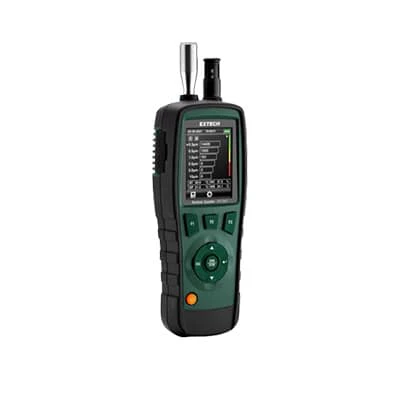
A well-calibrated IAQ monitor helps detect these pollutants and allows timely corrective action.
Typical IAQ Parameters for Monitoring
Below is a table summarizing key IAQ parameters and their significance, especially relevant to conditions in Bangladesh:
| Parameter |
What It Measures |
Why It Matters |
| PM2.5 / PM10 |
Fine & coarse particulate matter |
High in urban areas; causes respiratory issues |
| CO₂ |
Ventilation efficiency |
High CO₂ reduces alertness & productivity |
| CO |
Combustion gases |
Dangerous even at low levels; needs immediate action |
| TVOCs |
Chemical pollutants |
Comes from furniture, paints, cleaners |
| Formaldehyde (HCHO) |
Specific harmful VOC |
Common in new homes & offices |
| Humidity (%) |
Moisture level |
High = mold; Low = dry skin, irritation |
| Temperature |
Indoor comfort |
Impacts HVAC efficiency & well-being |
Monitoring these indicators helps create healthier indoor environments.
Where IAQ Monitoring Is Commonly Needed in Bangladesh
Due to increasing awareness, IAQ monitoring is becoming essential in several sectors:
1. Corporate Offices
Modern offices with centralized air conditioning often suffer from high CO₂ levels if ventilation is not properly managed. IAQ monitoring supports employee well-being and productivity.
2. Manufacturing & Industrial Plants
Industries like garments, pharmaceuticals, food processing, and electronics require IAQ monitoring to maintain product quality, worker safety, and regulatory compliance.
3. Hospitals & Clinics
Clean air is critical for patient recovery and infection control. IAQ systems help maintain sterile environments and prevent airborne disease spread.
4. Schools & Universities
Children perform better in classrooms with proper ventilation. Many educational institutions now use IAQ monitors to ensure healthier learning conditions.
5. Homes & Apartments
New buildings with sealed environments often trap indoor pollutants. IAQ monitors help families maintain fresh and healthy air for daily living.
6. Shopping Malls & Commercial Buildings
High foot traffic in enclosed spaces increases CO₂ and humidity levels, making IAQ monitoring essential for comfort and health.
Benefits of Using Indoor Air Quality Monitoring Devices
Using IAQ monitors provides several long-term advantages for both homeowners and businesses.
Early Detection of Pollutants
Identifying dangerous levels of CO, VOCs, or particulate matter enables timely mitigation.
Better Ventilation Management
Real-time CO₂ data helps optimize airflow, boosting comfort and energy efficiency.
Supports HVAC Optimization
Efficient air conditioning systems lower energy bills while maintaining optimum temperature and humidity.
Improves Employee Health
Cleaner air means fewer sick days, improved morale, and better performance.
Enhances Building Value
Properties equipped with IAQ monitoring systems are perceived as safer and more modern.
Builds Trust for Industries & Commercial Spaces
Retail centers, hospitals, and factories that promote IAQ monitoring often gain customer and stakeholder confidence.
Factors Affecting IAQ Monitoring Adoption in Bangladesh
While interest in IAQ devices is rising, several factors influence market adoption:
Awareness Level
Many organizations are still learning about the importance of IAQ and its impact on long-term health.
Building Structure
Old buildings with poor ventilation struggle more with IAQ issues.
Environmental Conditions
High outdoor pollution increases indoor particulate levels.
Industrial Expansion
More industries require IAQ audits to maintain manufacturing standards.
How to Improve Indoor Air Quality
Even without advanced systems, several practical steps can improve IAQ:
- Increase natural ventilation when possible
- Use low-VOC paints and furniture
- Regularly maintain HVAC systems
- Keep indoor spaces dust-free
- Avoid strong chemical cleaners
- Install indoor plants that help detoxify air
- Use air purifiers in high-pollution areas
- Conduct periodic IAQ assessments using professional tools
Indoor Air Quality has quickly become a priority topic in Bangladesh as people become more aware of its direct influence on health, productivity, and comfort. From residential homes to industrial plants, maintaining clean air indoors is crucial for physical well-being and operational efficiency. With rising adoption of IAQ monitoring devices and smart building technologies, Bangladesh is moving toward healthier indoor environments for all.































 Calibration
 HVAC/Clean Rooms
 Electrical
 Temperature Meters
 Power & Energy
 Mechanical & Maintenance
 Pharma, Health & Biomedical
 Drone Solution
 Networking
 Transformer & Relay Testing
 Insulation, Resistance and Battery
 Fault Testing & Diagnostics
 Lightning Protection Solution
 Education, Research & Development
 Civil Equipment
 Renewable Energy
 Cleaning and supplies
 Power Tools
 Safety Tools
 Hardwares
 Construction Supply
 Precision Tools
 Garden Tools
 Accessories
 Machines
 Hand Tools