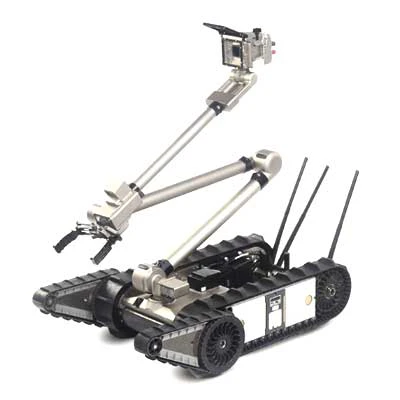
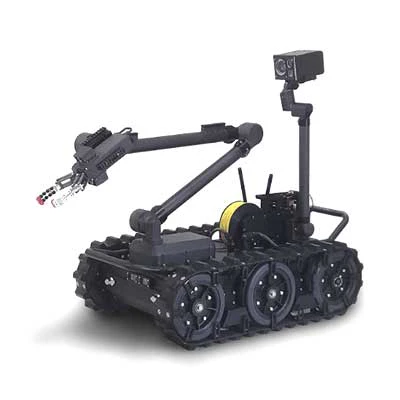
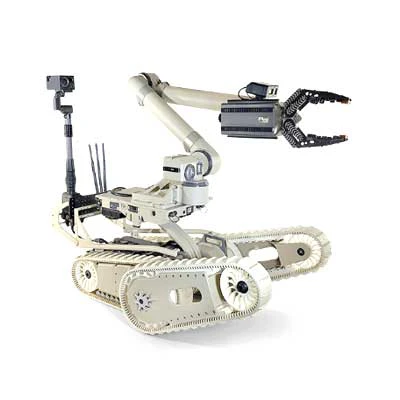
Unmanned Ground Systems (UGS) are advanced robotic platforms designed to operate autonomously or via remote control. They enhance mission efficiency by performing tasks in hazardous, inaccessible, or high-risk environments, from surveillance and reconnaissance to logistics and tactical support. With high durability, precision navigation, and versatile payload options, UGS reduces human exposure to danger while maximizing operational effectiveness across defense, security, and industrial applications.
Unmanned Ground Systems in Bangladesh: Uses, Trends, and Future Outlook
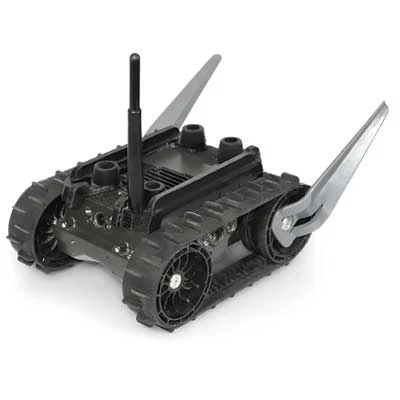
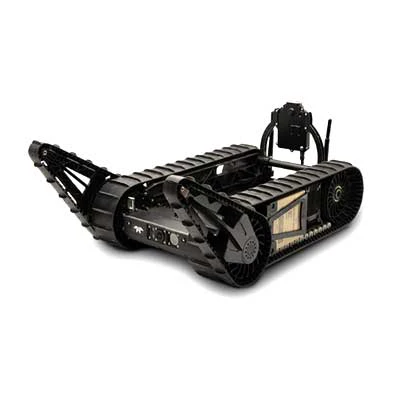
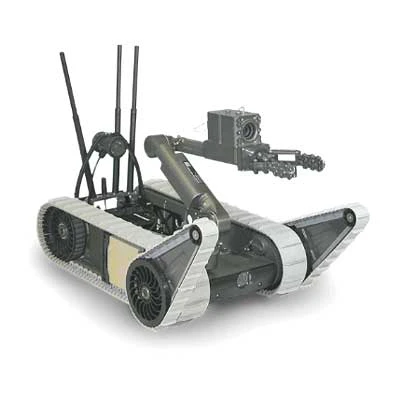
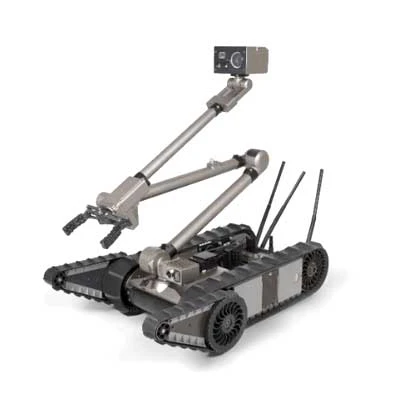
Unmanned Ground Systems (UGS), also known as Unmanned Ground Vehicles (UGVs) or ground robots, are robotic machines that operate on land without a human onboard. These intelligent machines can perform a variety of tasks, from inspection and surveillance to logistics and hazardous environment operations. With rapid technological advancement, UGS have become essential tools for defense, security, industry, agriculture, and emergency response.
This article explores the current landscape of Unmanned Ground Systems in Bangladesh — how they are being used, emerging trends, challenges, and the future opportunities they bring.
What Are Unmanned Ground Systems?
Unmanned Ground Systems are robotic platforms that travel on land and are either remotely controlled or operate autonomously using onboard sensors, navigation systems, and artificial intelligence. They can be wheeled, tracked, or legged machines depending on their purpose and environment.
These systems can be categorized as:
- Remotely operated UGS — controlled by an operator via radio/link.
- Semi-autonomous UGS — follow predefined paths or behaviors.
- Fully autonomous UGS — use AI to make decisions and navigate independently.
Why Unmanned Ground Systems Matter
UGS offers unique advantages:
- Safety — They perform dangerous missions without risking human lives (e.g., bomb disposal).
- Efficiency — Robots can work continuously without fatigue.
- Precision — Equipped with advanced sensors and imaging systems.
- Cost Savings — Reduced labor costs in repetitive or hazardous tasks.
Applications of Unmanned Ground Systems
Defense & Security
Unmanned ground robots help the military and security forces with:
- Reconnaissance and surveillance
- Explosive Ordnance Disposal (EOD)
- Patrol missions in border areas
- Guarding sensitive facilities
In Bangladesh, with its focus on strengthening defense capabilities and maintaining border security, UGS are increasingly recognized as force multipliers.
Law Enforcement
Police and special units can deploy UGS to:
- Investigate suspicious objects
- Reduce risk in hostage/armed situations
- Perform remote inspections of hazardous locations
These systems enable safer operations and provide real-time situational awareness.
Industrial Inspection & Maintenance
UGS can conduct:
- Infrastructure inspections (pipes, tunnels, platforms)
- Monitoring of hazardous work environments
- Data collection in areas unsafe for humans
This improves safety while reducing downtime.
Agriculture
In agriculture, UGS are used for:
- Crop surveillance and mapping
- Weed detection
- Soil analysis
- Precision spraying and planting
Automated robots improve productivity and help farmers manage large tracts of land more effectively.
Disaster Response
UGS can assist in:
- Search and rescue in collapsed structures
- Navigating debris fields
- Assessing damage without exposing human responders to risk
These systems are important in earthquake and flood responses, relevant to Bangladesh’s disaster risk profile.
Components & Technologies Behind UGS
Unmanned Ground Systems are more than hardware — they combine multiple advanced technologies:
Sensors
- Cameras (optical, thermal)
- LiDAR and radar
- Ultrasonic and IR sensors
- These help with navigation, mapping, and detection.
Control Systems
- Remote controllers
- GPS and IMU systems
- Real-time communication links
Autonomy & AI
- Path planning
- Obstacle avoidance
- Machine learning for decision-making
Power Systems
- Batteries
- Hybrid power modules for longer missions
Challenges in Bangladesh
While UGS technology brings many opportunities, there are challenges:
High Cost
Advanced systems, especially autonomous ones, can be expensive.
Technical Expertise
Skilled personnel are needed for operation, maintenance, and programming.
Regulations & Standards
There is a need for clear policies governing robotic systems, especially in defense and public spaces.
Local Manufacturing
Most UGS are imported, leading to dependency on external suppliers.
Current Trends in Bangladesh
Bangladesh is gradually adopting UGS in various sectors:
Defense Modernization
Efforts are underway to incorporate robotics into military and security tasks.
Tech Startups
Local innovators and universities are starting to prototype ground robots for specific applications.
Research Partnerships
Collaborations with international partners and defense technology firms support capability growth.
Automation in Industry
Factories and service centers use robots for repetitive or hazardous tasks.
Future Prospects
The future of Unmanned Ground Systems in Bangladesh looks promising:
Increased Autonomy
With AI and sensor fusion, future UGS will be smarter and more self-sufficient.
Local Production & Assembly
The growth of the local robotics industry could reduce dependence on imports.
Integrations with Aerial & Marine Systems
UGS working with drones (UAVs) and unmanned marine systems (USVs) will enable multi-domain operations.
Smart Farming Revolution
Automated robots tailored for Bangladesh’s agriculture could transform farming efficiency. Unmanned Ground Systems are transformative technologies with wide-reaching applications in defense, public safety, industry, agriculture, and disaster response. Bangladesh is at an early stage of adopting UGS technology. Still, with growing awareness, research interest, and strategic investment, these robotic systems are poised to play a vital role in the country’s technological and economic future. If you want a Bangla version, supplier list, price analysis, or market projections for Unmanned Ground Systems in Bangladesh, just let me know!































 Calibration
 HVAC/Clean Rooms
 Electrical
 Temperature Meters
 Power & Energy
 Mechanical & Maintenance
 Pharma, Health & Biomedical
 Drone Solution
 Networking
 Transformer & Relay Testing
 Insulation, Resistance and Battery
 Fault Testing & Diagnostics
 Lightning Protection Solution
 Education, Research & Development
 Civil Equipment
 Renewable Energy
 Cleaning and supplies
 Power Tools
 Safety Tools
 Hardwares
 Construction Supply
 Precision Tools
 Garden Tools
 Accessories
 Machines
 Hand Tools