Payload Drone in Bangladesh: Features, Applications, and Market Overview
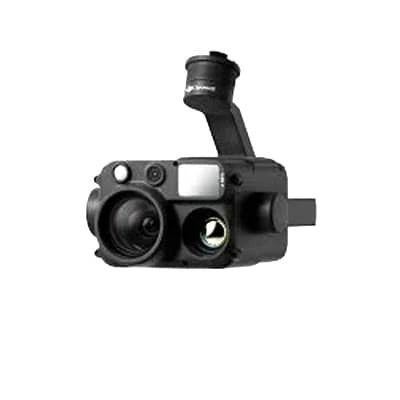
Drone payloads are components or devices mounted on a drone's body to perform specific tasks. They are attached to the main structure of the drone and depend on the weight and capacity of the drone. There are different types of payloads, such as cameras, thermal imagers, lidar (LiDAR), sensors, microphones, or small boxes for carrying transport materials. Payloads enable the drone to perform specific tasks, such as surveillance, mapping, agricultural inspection, firefighting, environmental monitoring, or delivery services.
The type and weight of the payload affect the flight time, stability, and maneuverability of the drone. With advanced technology, many payloads are now being designed that increase the functionality of drones and improve the quality of work in various fields. The development of drone payload technology is opening new horizons for commerce, agriculture, security, and environmental protection. Therefore, drone payloads have now become one of the most important parts of modern drone technology.
Payload drones are becoming increasingly important in Bangladesh as industries adopt modern technologies for aerial monitoring, delivery, and data collection. A payload drone refers to an unmanned aerial vehicle (UAV) designed to carry additional equipment such as cameras, sensors, delivery packages, or agricultural spraying systems. The payload capability determines how useful a drone can be for professional or industrial applications.
In Bangladesh, payload drones are used in sectors such as agriculture, filmmaking, construction, surveillance, and mapping. As technology develops and demand grows, the availability of drones with advanced payload capabilities is also increasing.
What is a Payload Drone?
A payload drone is a drone designed to carry a specific load during flight. The load or payload can include different types of equipment depending on the purpose of the drone.
Common payloads include:
- High-resolution cameras
- Thermal imaging sensors
- Agricultural spraying tanks
- Mapping and surveying equipment
- Delivery packages
- Communication devices
The ability to carry such equipment makes payload drones valuable for professional tasks that require aerial access.
Types of Payload Drones
Payload drones can generally be categorized into three main types based on their capabilities and applications.
1. Consumer Payload Drones
Consumer drones are designed mainly for beginners, hobbyists, and casual aerial photography. These drones typically carry lightweight payloads such as small cameras.
Key characteristics include:
- Compact and lightweight design
- Built-in camera systems
- Easy control using mobile apps or remote controllers
- Suitable for recreational flying and simple aerial photography
These drones are commonly used by travelers, vloggers, and hobby drone pilots.
2. Professional Payload Drones
Professional drones are designed for more demanding applications such as photography, videography, and surveying. These drones can support higher payload capacities and offer better flight stability.
Key features include:
- High-quality camera systems
- GPS-based navigation
- Intelligent flight modes
- Longer flight duration
- Advanced stabilization technology
Professional photographers and media production companies often rely on these drones to capture cinematic aerial footage.
3. Industrial Payload Drones
Industrial payload drones are designed for specialized commercial or government operations. They can carry multiple sensors and heavier equipment for complex tasks.
Typical applications include:
- Infrastructure inspection
- Disaster management
- Agricultural spraying
- Search and rescue missions
- Mapping and land surveying
These drones often feature rugged designs, long flight endurance, and advanced navigation systems.
Key Features of Payload Drones
The capabilities of a payload drone depend on several important technical features.
| Feature |
Description |
Importance |
| Payload Capacity |
The maximum weight a drone can carry during flight |
Determines the type of equipment the drone can support |
| Flight Time |
The duration a drone can remain airborne on a single battery charge |
Longer flight time allows more efficient operations |
| Camera System |
An integrated or attachable camera used for capturing images or video |
Essential for photography, mapping, and inspection |
| GPS Navigation |
A satellite positioning system that stabilizes the drone |
Enables precise flight and automated routes |
| Obstacle Avoidance |
Sensors that detect obstacles during flight |
Improves safety and reduces collision risk |
| Transmission Range |
Distance between the drone and the controller |
Important for long-distance operations |
| Autonomous Flight Modes |
Automated flight paths and tracking functions |
Increases efficiency for professional tasks |
Applications of Payload Drones in Bangladesh
Payload drones are increasingly used in several sectors throughout Bangladesh. Their versatility allows them to perform tasks that would otherwise require significant time, manpower, or expensive equipment.
Agriculture
In agriculture, drones help farmers monitor crop health, analyze soil conditions, and spray pesticides or fertilizers. Using aerial technology enables farmers to cover large fields quickly and efficiently.
Aerial Photography and Videography
Drone technology has transformed the photography industry by enabling unique aerial perspectives. Wedding photography, tourism promotion, documentaries, and advertising campaigns often use drones to capture stunning visuals.
Construction and Infrastructure
Construction companies use drones to monitor building progress, inspect structures, and create 3D site maps. This improves project planning and helps engineers identify potential issues early.
Surveying and Mapping
Surveyors use drones equipped with mapping sensors to generate accurate land surveys and geographic data. This is particularly useful for urban planning and large infrastructure projects.
Security and Surveillance
Government agencies and private security organizations use drones for monitoring large areas, border surveillance, and disaster response operations.
Environmental Monitoring
Drones can also be used to monitor forests, rivers, and wildlife areas. This helps researchers collect valuable environmental data and supports conservation efforts.
Advantages of Payload Drones
Payload drones provide several advantages compared to traditional aerial tools, such as helicopters or manual inspections.
Some key benefits include:
- Faster data collection
- Reduced operational costs
- Improved safety for workers
- Access to difficult or dangerous locations
- High-quality aerial imagery and data
These advantages make drones an efficient solution for many industries.
Challenges of Payload Drone Usage
Despite their benefits, payload drones also face certain challenges.
Regulatory Restrictions
Drone operations are often subject to aviation regulations. Operators may need special permissions or licenses for commercial drone use.
Weather Limitations
Strong winds, heavy rain, and storms can affect drone stability and performance.
Battery Limitations
Although battery technology is improving, flight time is still limited compared to manned aircraft.
Technical Skills
Operating advanced drones may require trained pilots and technical expertise.
Future of Payload Drones in Bangladesh
The drone industry in Bangladesh is expected to expand significantly in the coming years. Advances in artificial intelligence, improved battery technology, and better autonomous navigation systems will likely enhance drone capabilities. Government agencies and private companies are increasingly investing in drone technology for agriculture, infrastructure development, disaster management, and environmental monitoring. As awareness and adoption increase, payload drones will likely become an essential technological tool for many sectors across the country.
Payload drones are transforming how aerial tasks are performed in Bangladesh. By carrying cameras, sensors, and other equipment, these drones enable efficient monitoring, data collection, and delivery operations. Their applications span agriculture, photography, construction, security, and environmental research. With ongoing technological advancements and growing industry demand, payload drones are expected to play an increasingly important role in Bangladesh’s technological development and economic progress.

































 Calibration
 HVAC/Clean Rooms
 Electrical
 Temperature Meters
 Power & Energy
 Mechanical & Maintenance
 Pharma, Health & Biomedical
 Drone Solution
 Networking
 Transformer & Relay Testing
 Insulation, Resistance and Battery
 Fault Testing & Diagnostics
 Lightning Protection Solution
 Education, Research & Development
 Civil Equipment
 Renewable Energy
 Cleaning and supplies
 Power Tools
 Safety Tools
 Hardwares
 Construction Supply
 Precision Tools
 Garden Tools
 Accessories
 Machines
 Hand Tools